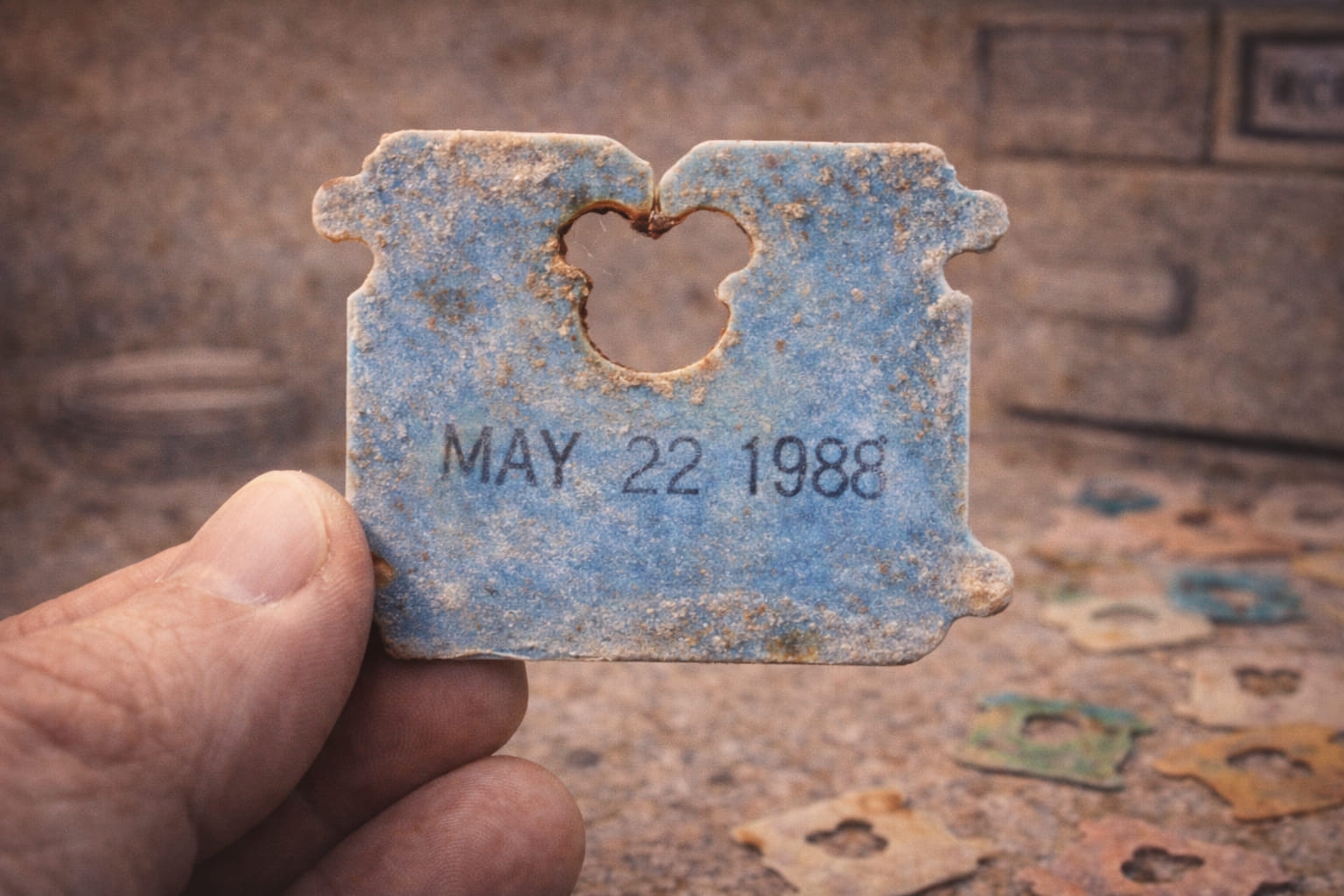
Catalog Reference
BT-2026-041. Pale blue. Matte surface. Flat-edge type B. Narrow aperture. Unknown bakery origin.
relic room / favored specimens / emotionally weighted references
A deeper chamber of the shrine for individual examples that became reference objects, comfort objects, or quiet standards of comparison.
The relic room does not exist to display the strangest items in the archive. It exists for objects that became indispensable points of return: the specimen Marina reaches for when comparing a new bread tag, the receipt whose fading pattern still explains half the category, the bottle cap that proves recent simplification was not inevitable.
Some relics are here because they are unusually complete. Others are here because they are unusually instructive. A few are here because repeated handling turned utility into attachment.
In ordinary life these objects were disposable. In the archive they became standards.
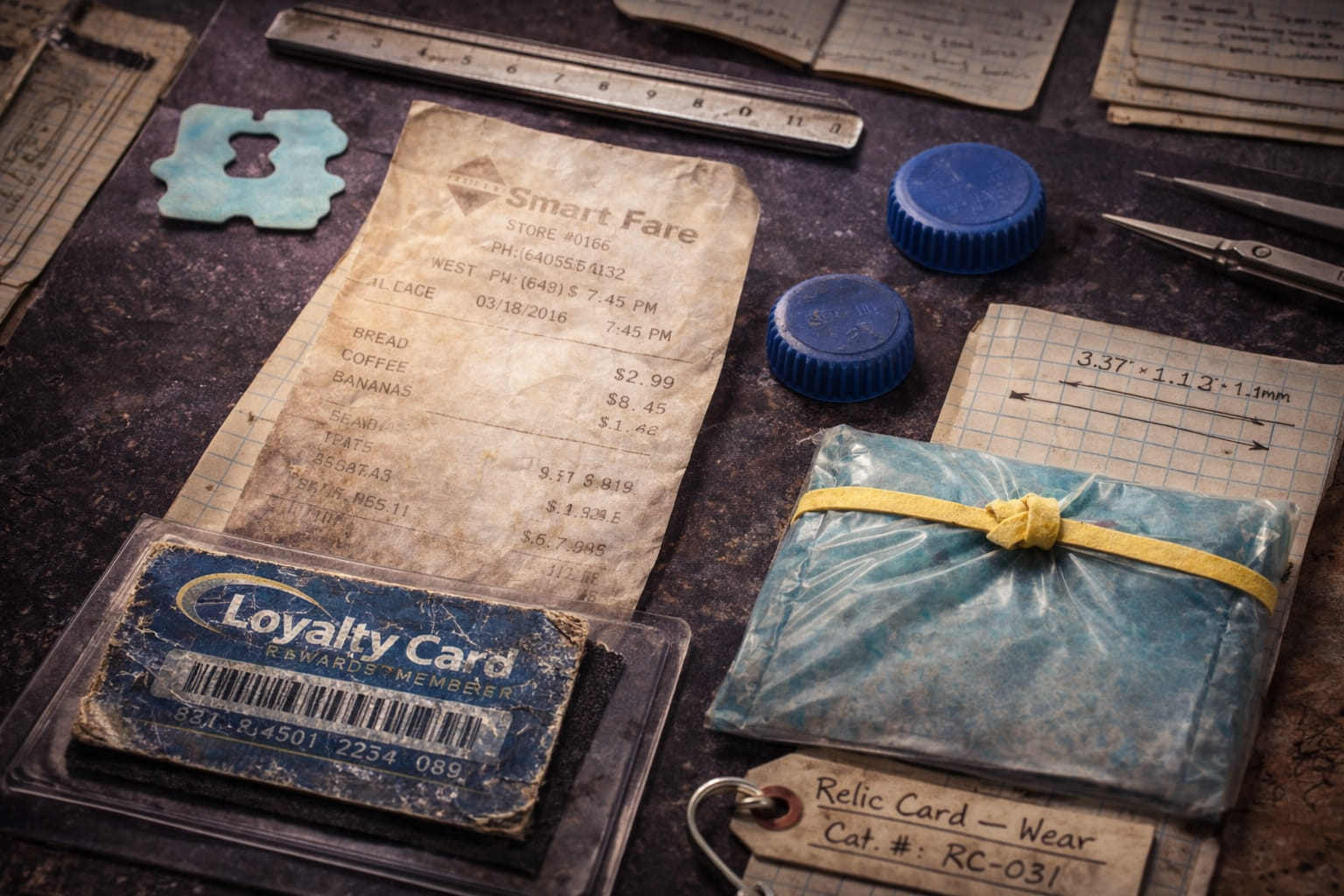
BT-2026-041. Pale blue. Matte surface. Flat-edge type B. Narrow aperture. Unknown bakery origin.
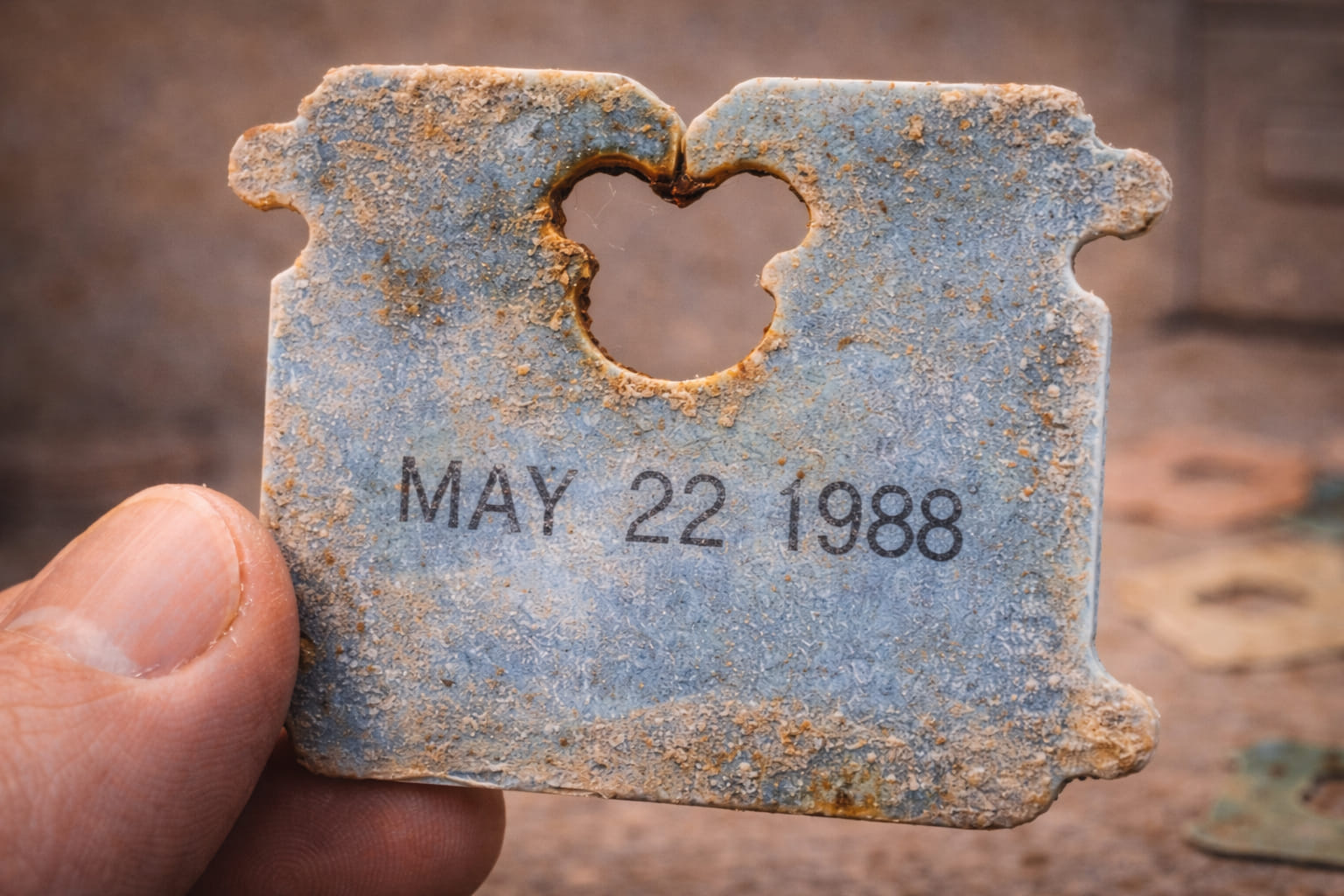
Marina uses this specimen when comparing newer blue tags because it manages to feel both ordinary and exact. It proves the category did not always settle for merely acceptable.
This bread tag is not the rarest in the archive. It is one of the clearest. The aperture is clean, the hinge proportion is calm, the plastic does not feel either chalky or cheap, and the color carries just enough surplus intention to stay memorable.
It became a relic because it solved the category for Marina. After enough comparisons, the tag stopped being one example among many and became the specimen that clarified what a good one was supposed to feel like.
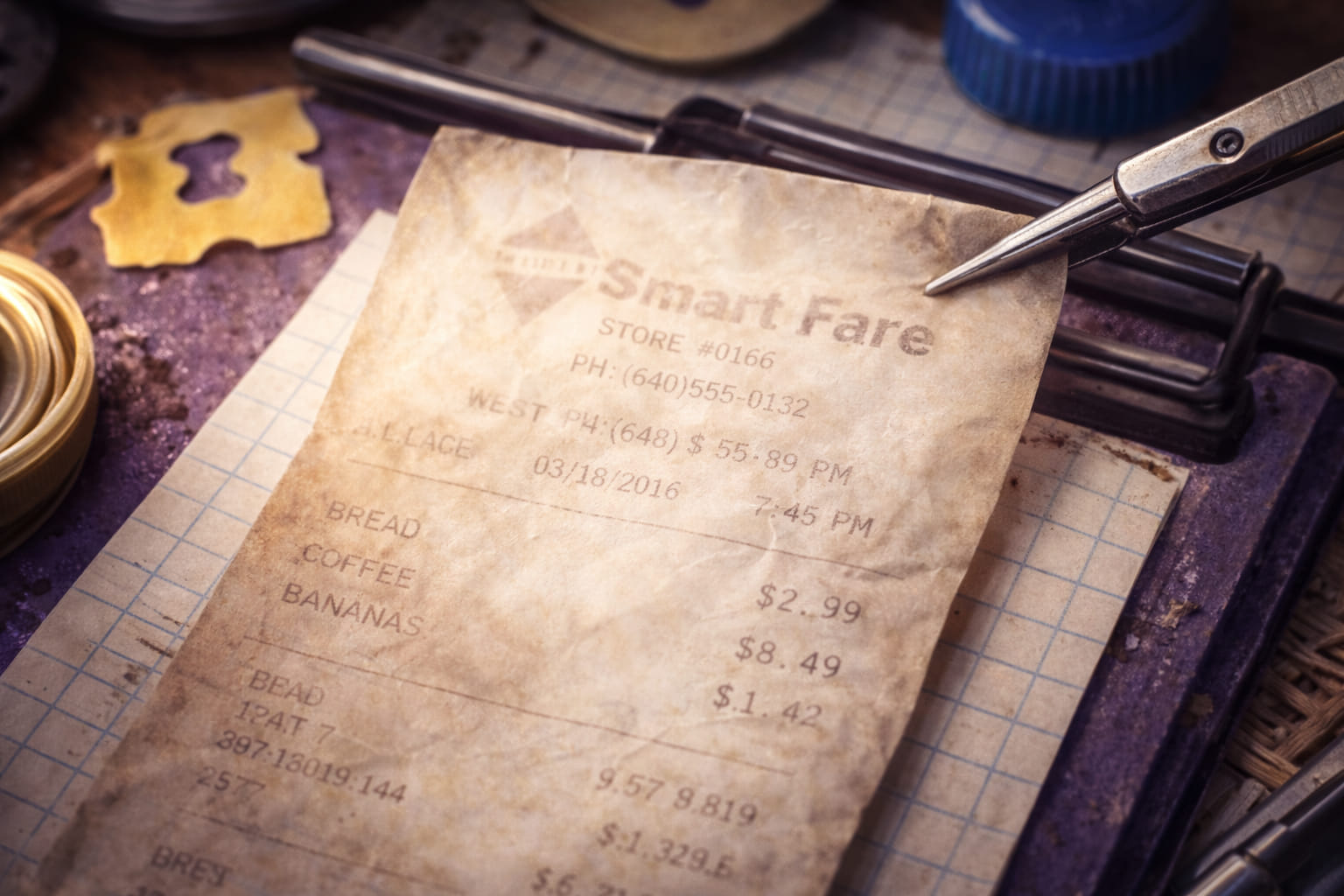
R-2024-643. Pharmacy receipt. Upper fade progression. Subtotal line remains dark despite surrounding loss.
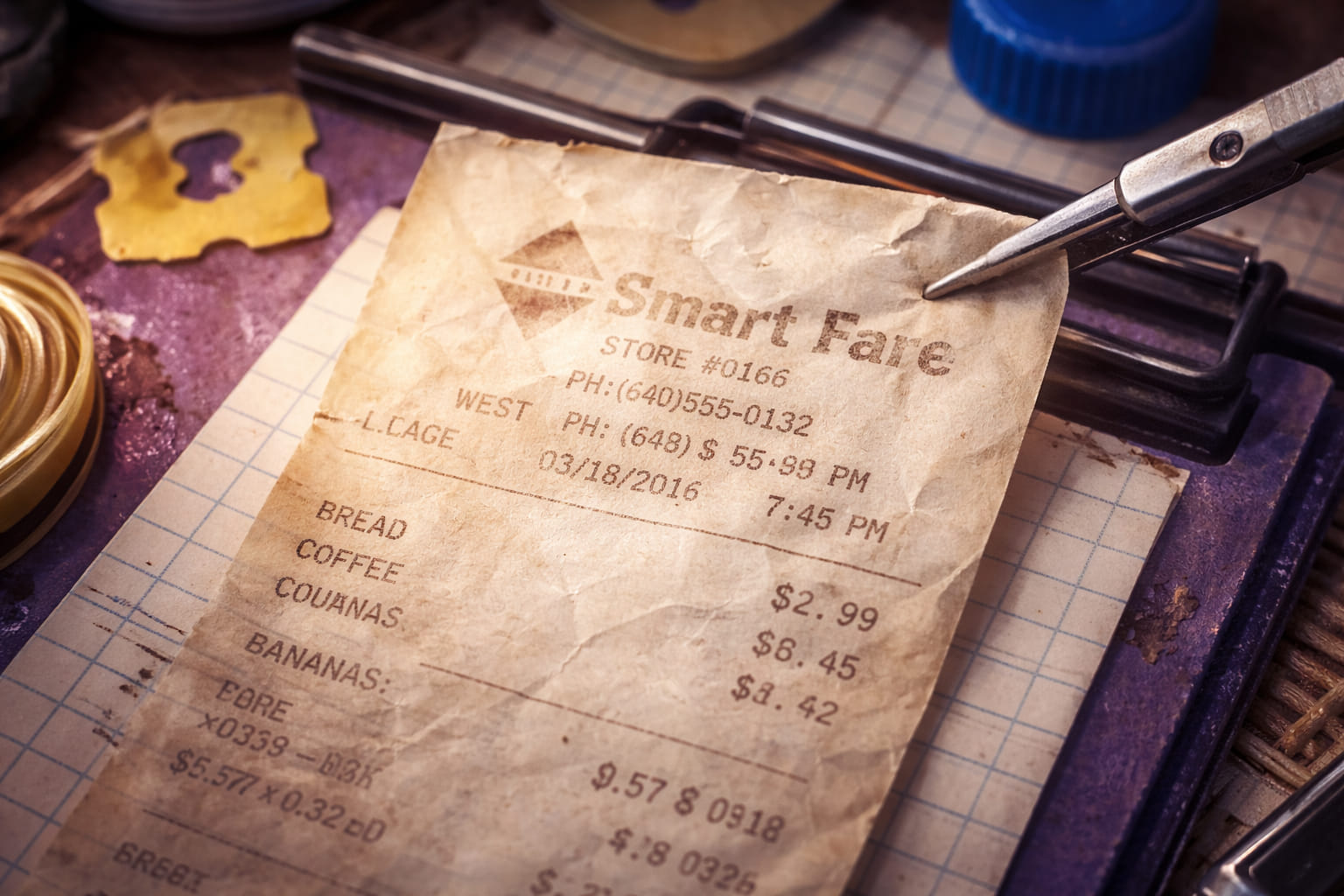
It demonstrates that receipts do not simply fade. They fail selectively, which is what turned the category into a real area of study.
The best receipt relics are not pristine. They are persuasive failures. This one is kept close because it shows partial erasure so cleanly that the category became impossible to dismiss afterward.
The chain line weakens first. Mid-body text becomes soft. The subtotal persists with inappropriate confidence. Marina returns to it whenever she needs to explain that material disappearance can still have structure.
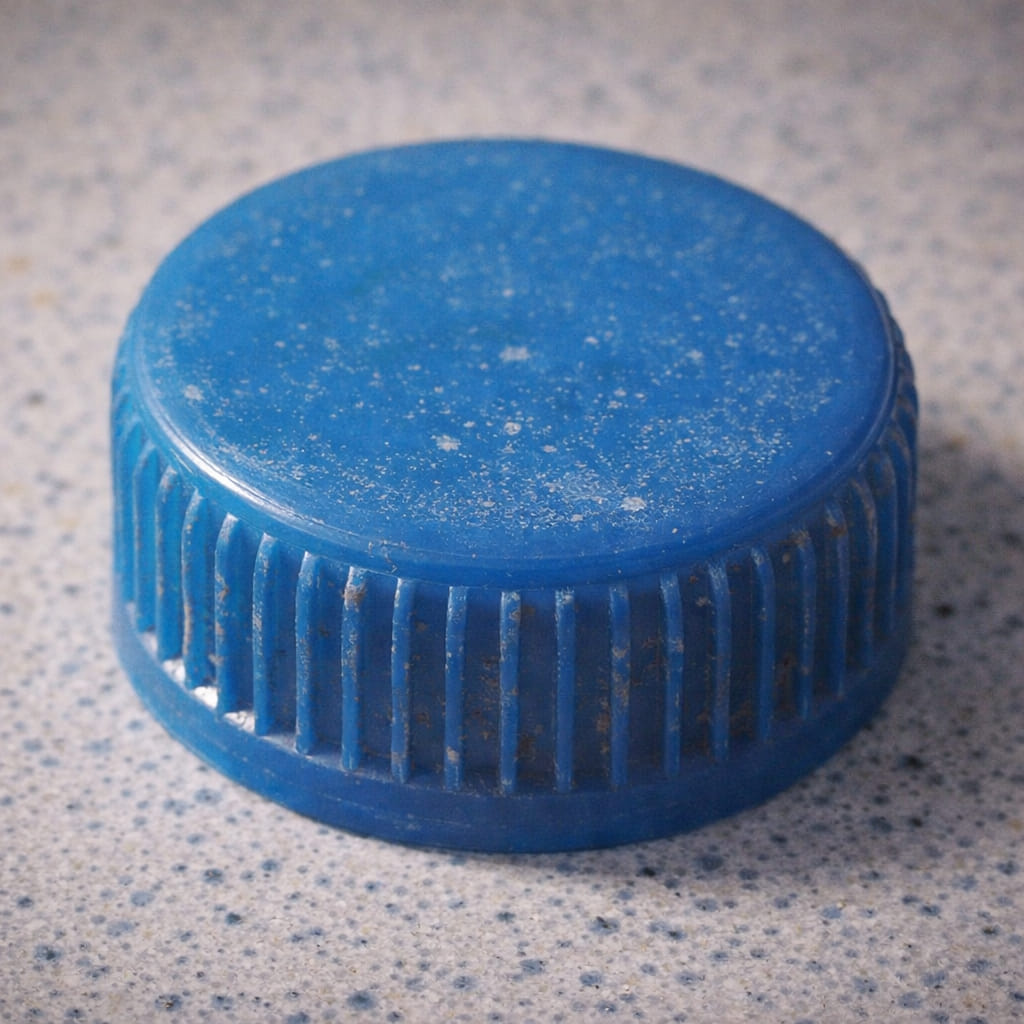
BC-2021-077 reference-adjacent comparison specimen. Blue. Stronger ridge count. Cleaner edge definition.
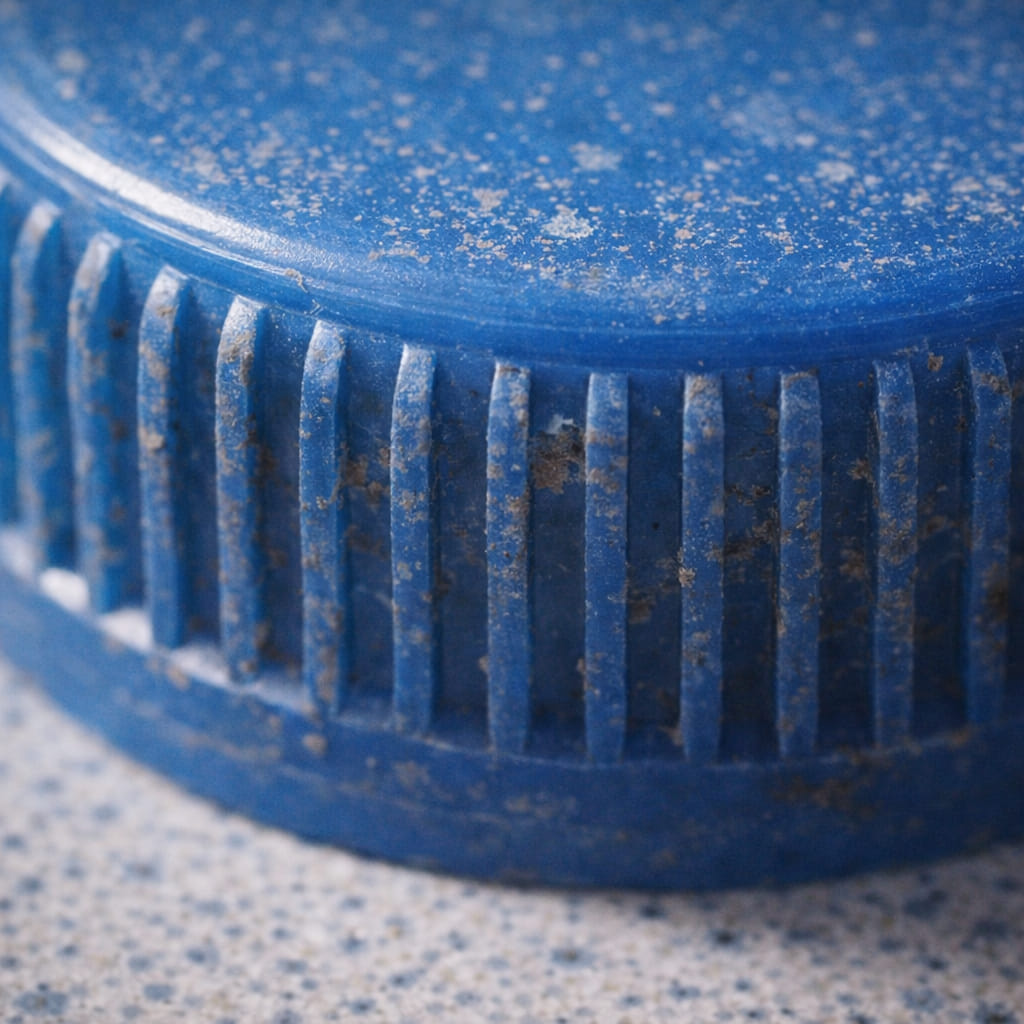
This cap proves recent generics did not have to become so visually softened. It is a rebuttal object.
Bottle caps only became emotionally persuasive once Marina had enough of them to compare by touch. This one stays in reach because the ridges still feel deliberate. The wall has enough confidence. The embossing still wants to be seen.
In relic terms, this is a standard of refusal. It refuses the idea that all caps are interchangeable once you stop looking closely.
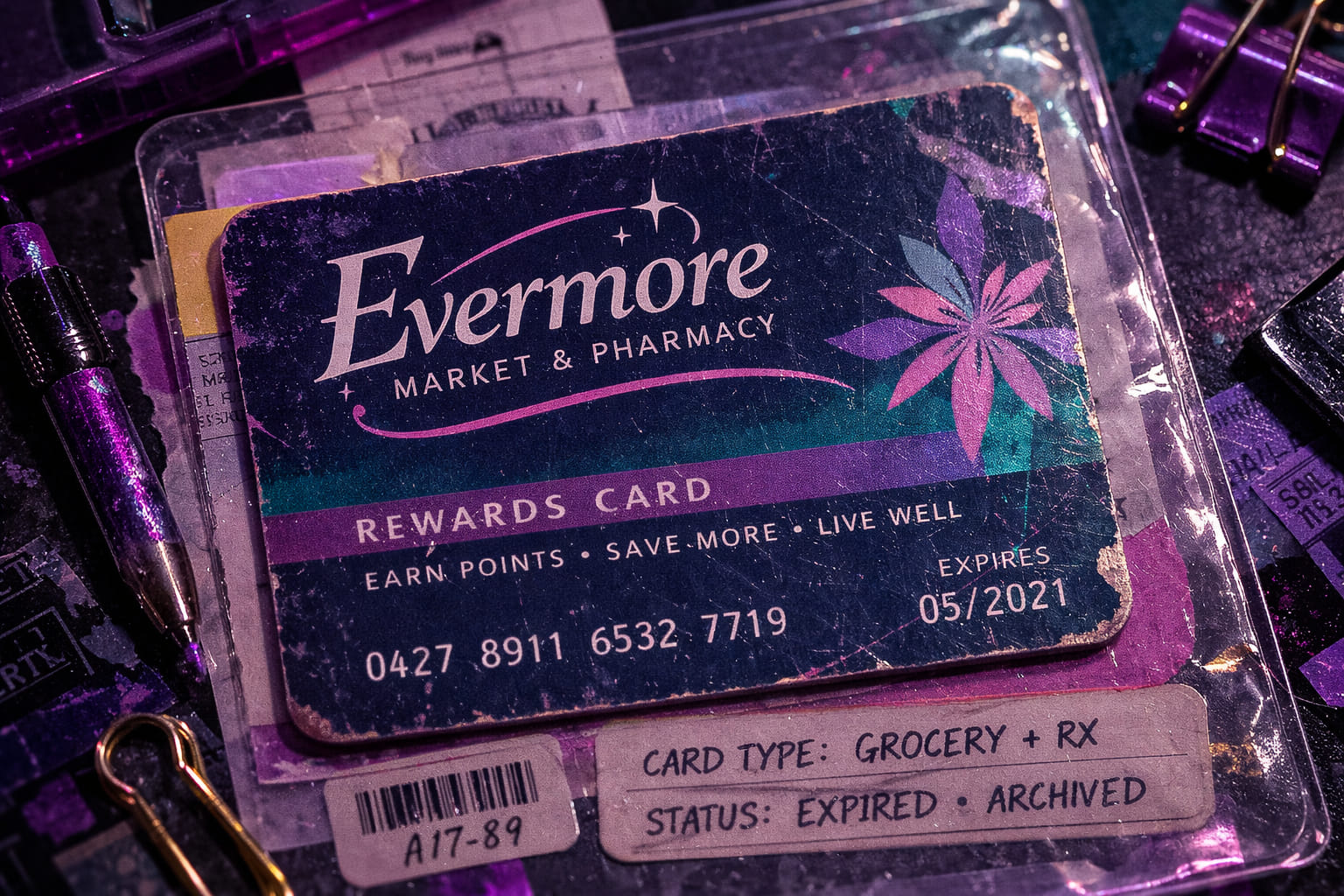
LC-2019-044. Discontinued grocery rewards card. Surface wear moderate. Magstripe scratched. Corner softening present.
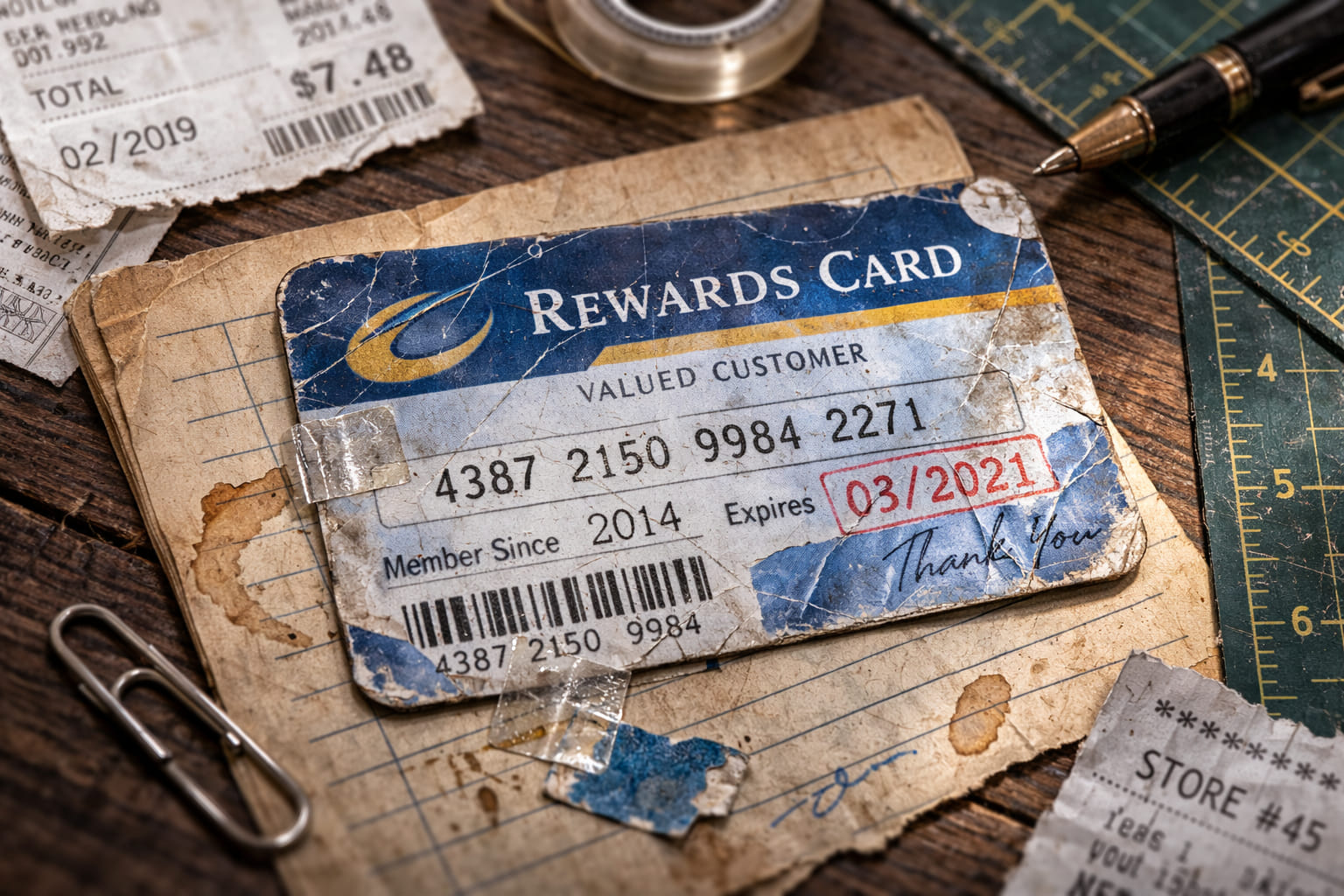
The wear pattern is unusually readable. It feels handled rather than merely stored, and that handling became part of the artifact.
Loyalty cards are a smaller collection, but they carry a strange kind of local afterlife. This card survives a chain atmosphere more than a single transaction. Its lettering belongs to an older retail confidence that no longer appears on replacement cards.
Marina keeps it in the relic room because it demonstrates that even very ordinary plastic can preserve a period feeling better than memory does.
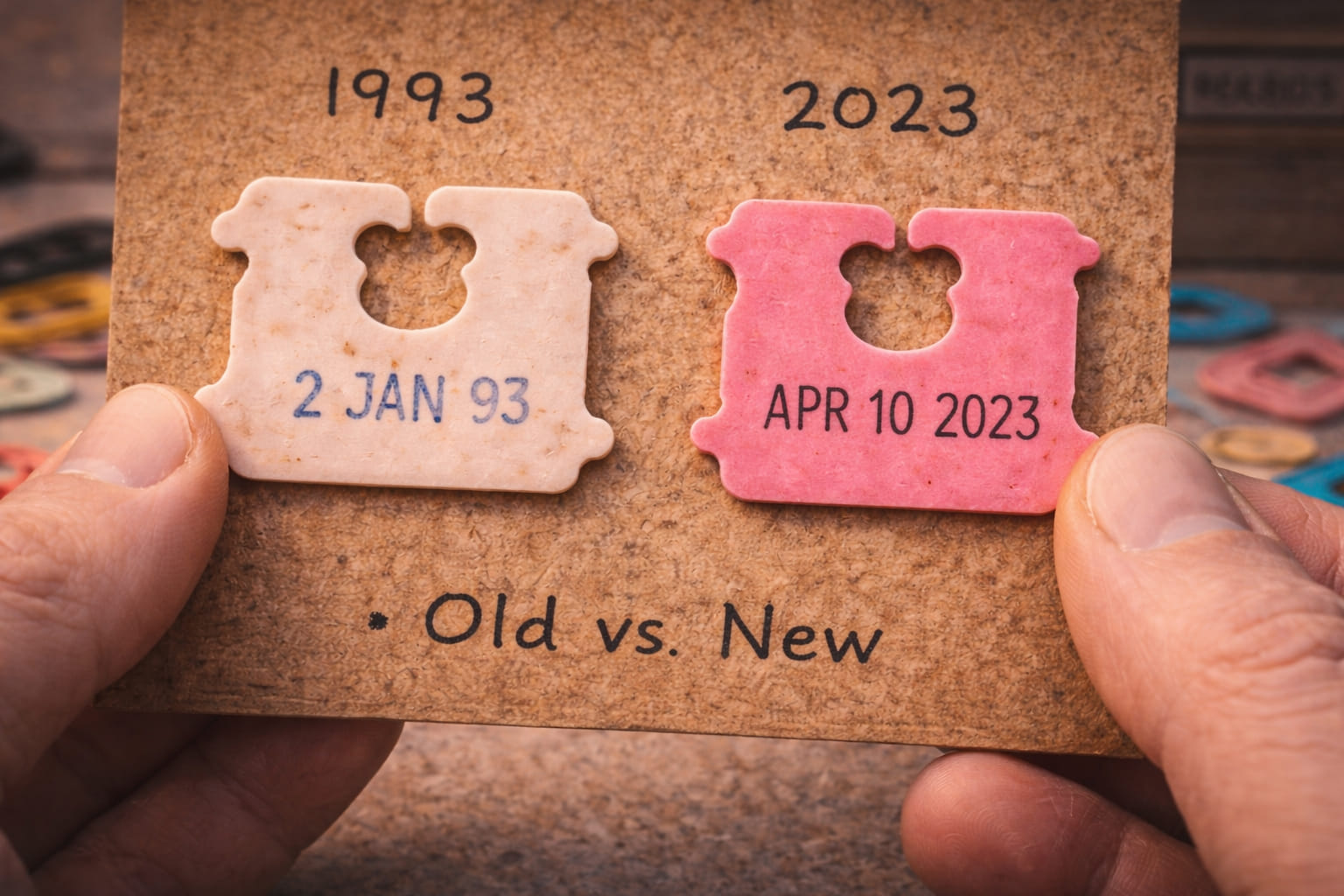
The relic specimen appears less accidental beside newer tags. The later examples are not bad. They are simply less resolved.
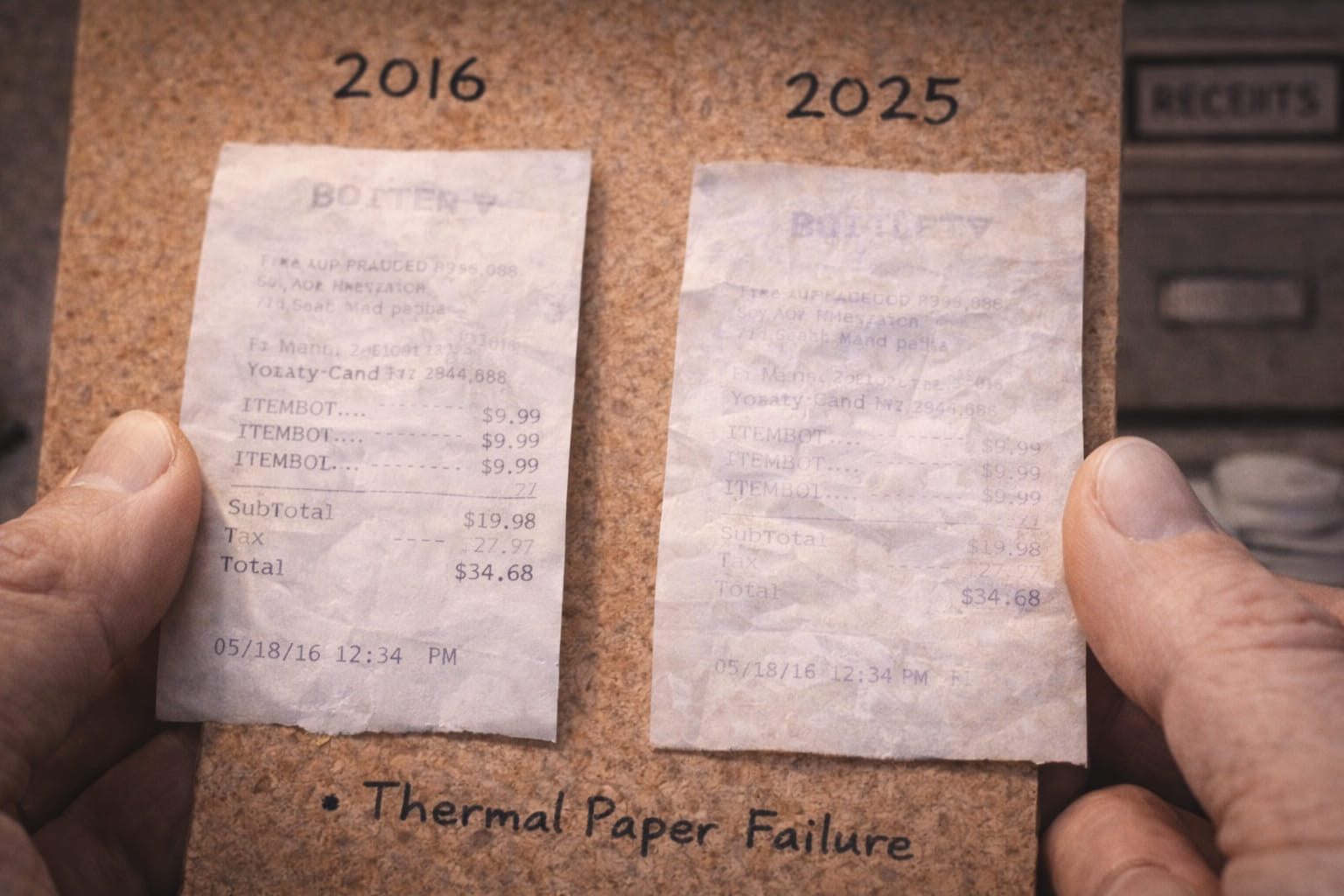
One relic, three later failure profiles. This board made it obvious that fading patterns deserve subtype language.
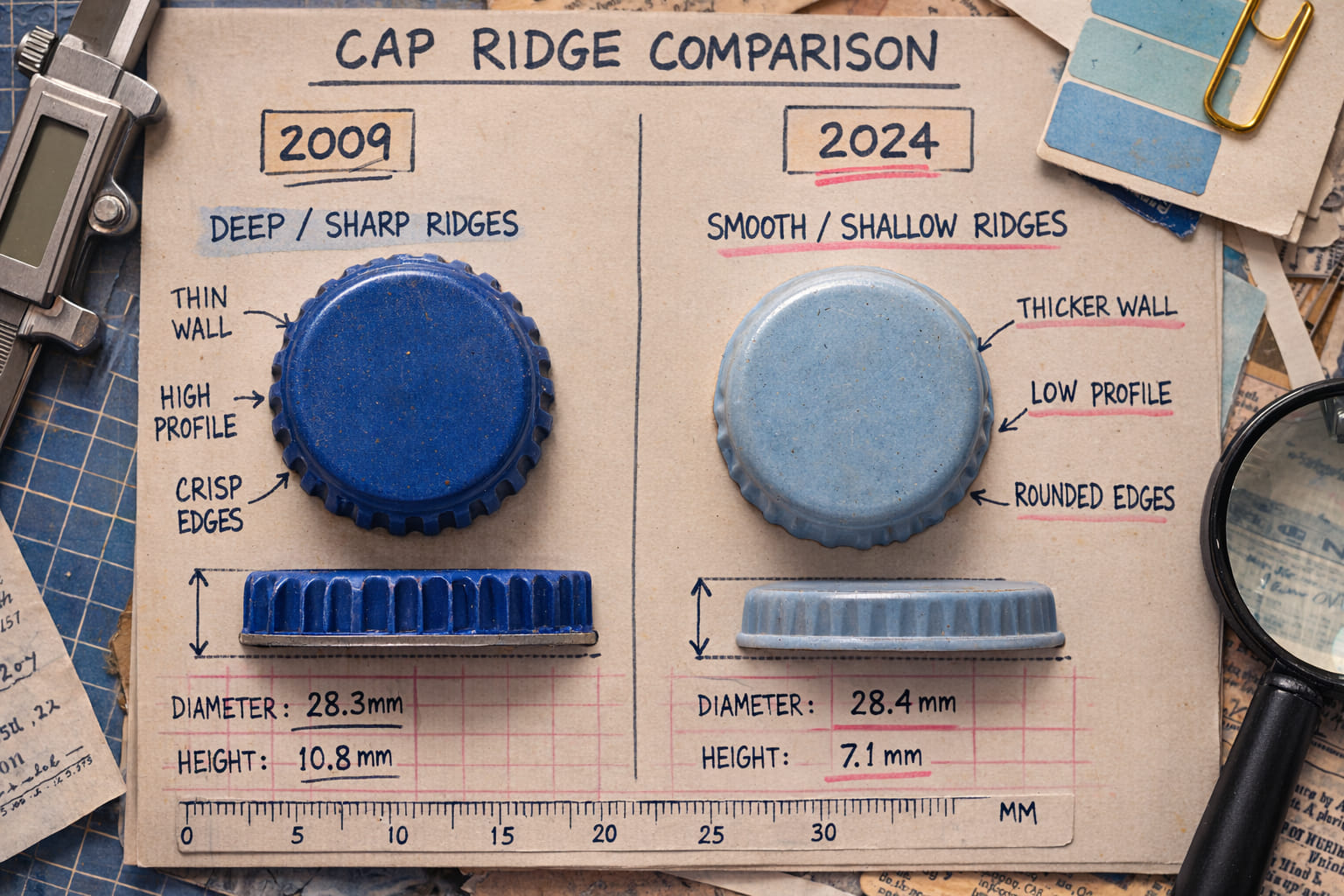
Once placed beside the relic cap, later generic examples look not just cheaper but quieter in the wrong way.
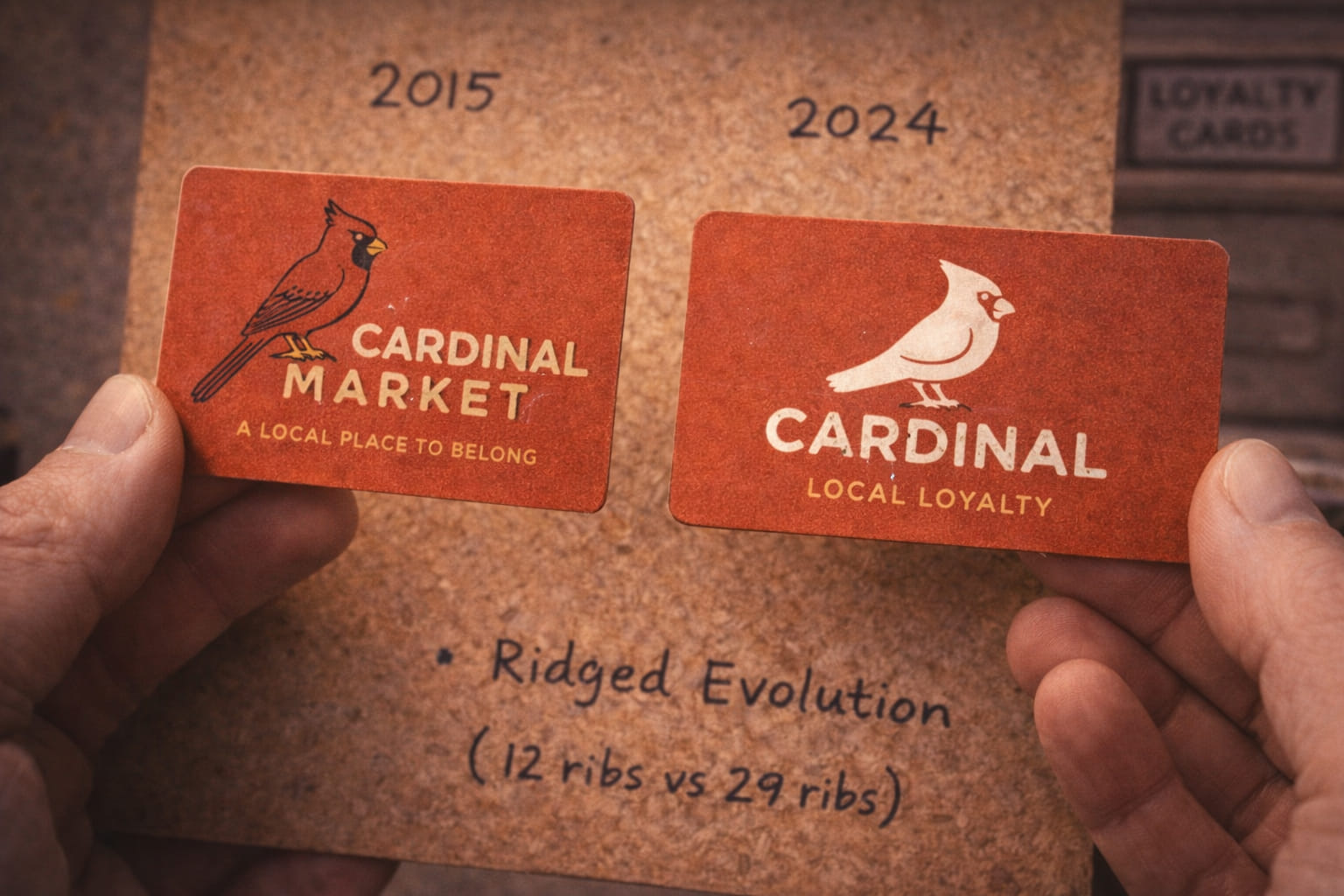
Old typography carries a denser retail identity. Newer cards feel cleaner but less specific.
A relic can explain a category to Marina faster than a paragraph can. It becomes a portable argument.
Many objects look special once. Relics remain useful after repeated side-by-side tests.
Certain artifacts become standards through handling: grip, stiffness, ridge definition, fold behavior, or surface wear.
Once Marina has a relic specimen, her descriptive vocabulary becomes sharper. The object anchors the words.
The relic room is where standards become visible as attachments. Marina does not keep these specimens because they are precious in any conventional sense. She keeps them because they continue to clarify the archive every time they are handled.
In another life these would be scraps. Here they are reference points. A relic is simply an object that stayed useful long enough to become dear.